Navigating a Life Change
How can families help a parent move to Punta Gorda from far away?

Families can help a parent move to Punta Gorda from far away by agreeing first on who makes decisions and how everyone stays informed, then using a shared checklist and regular calls while the parent leads on daily life choices.
On this page
- Start with who decides and how everyone stays informed
- Let your parent lead the important choices
- Set up roles before the search begins
- Keep everyone informed with simple tools
- Send each question to the right source
- A planning table for long distance families
- Searching when your parent cannot visit often
- What to gather before talking with Linda
Start with who decides and how everyone stays informed
When you are helping a parent move to Punta Gorda from another state, the first step is not the home search. It is agreeing on who makes which decisions and how the family will stay informed. Once that is settled, a shared checklist and a regular call keep relatives in different places on the same page. Most important of all, let your parent lead on the choices that matter most to daily life, because it is their home and their next chapter.
Distance makes every small misunderstanding bigger. One sibling hears about a home from a phone call, another sees photos in a group message, and your parent feels pulled in several directions at once. Without a clear plan for communication, good intentions can create confusion. Setting simple ground rules early, before anyone looks at a listing, prevents a lot of hurt feelings and second guessing later on.
This guide works through the process the way a teacher would plan a lesson for a group. Everyone gets a role, everyone knows where to find the latest information, and nobody has to guess what happens next. You can adapt the steps to fit your family, whether one adult child is coordinating everything or several relatives in different time zones are sharing the work.
Let your parent lead the important choices
It is natural to want to protect a parent during a big move, but protection should not turn into taking over. The choices that shape daily life, such as the size of the home, the layout, what to keep and what to let go of, belong to your parent. Family members can help by asking good questions, gathering information and handling logistics. The final say on how your parent wants to live should stay with your parent.
A helpful way to frame this is to separate the what from the how. Your parent decides what matters: a single level, a garden, room for a hobby, space for visitors. The family helps with how: researching options, organizing paperwork, arranging movers and keeping everyone updated. When roles are split this way, your parent stays in charge of the move, and the family’s energy goes into making that plan work smoothly.
I encourage families to decide early who handles what and how everyone will hear updates. When roles are clear, the parent can focus on the choices that matter most.
Set up roles before the search begins
Before anyone starts browsing homes, agree on a few roles. Who will be the main contact for Linda and for the other people involved in the move? Who will keep the shared checklist up to date? Who will handle questions about finances or legal documents with the appropriate advisors? Naming one point person for each area keeps messages from crossing and helps your parent know exactly who to call with a question.
Roles also protect relationships. When siblings know their responsibilities, there is less chance of two people making conflicting promises or one person feeling left out. If a family member can visit Punta Gorda in person, that person might handle showings or a scouting trip. A relative who is good with paperwork might keep the folder organized. Someone who lives far away can still help by joining calls and reviewing notes.
It also helps to agree on how decisions get made when opinions differ. Will the family talk it through on the regular call, or will your parent simply decide after hearing everyone out? Settling this ahead of time is like setting classroom rules on the first day. It is much easier to agree on the process before a disagreement comes up than in the middle of one.
Keep everyone informed with simple tools
A shared checklist is one of the most useful tools for a family spread across different states. It can be a document everyone can view, a notebook your parent keeps, or a list read aloud on each call. What matters is that there is one version of the truth. Each item has an owner and a status, so anyone can see what is done, what is in progress and what still needs attention.
Pair the checklist with a regular call at a set time. A short, predictable conversation each week does more than a flurry of scattered messages. Your parent knows when to expect updates, and relatives know when to bring their questions. Keep notes from each call in the same place as the checklist, so decisions are recorded and nobody has to rely on memory about who said what.
Send each question to the right source
A parent’s move often raises questions that go well beyond real estate. Some involve legal documents, some involve finances and some involve care or health planning. Those questions deserve answers from qualified people, not guesses from well meaning relatives. Linda can explain the real estate side and help the family see which questions belong elsewhere. These are some of the conversations families commonly arrange.
- An estate or elder law attorney for documents, authority and planning questions
- A tax advisor for any tax questions connected to selling a home
- A qualified care advisor for questions about care needs or support services
- A licensed lender for any financing questions on the next purchase
Keeping these conversations separate from the real estate process is a way of protecting your parent. Each advisor focuses on their own area and gives answers grounded in your parent’s situation. The family can then bring those answers back to the shared checklist, so the home search and the planning move forward together rather than getting tangled. Nobody has to pretend to be an expert in something outside their role.
A planning table for long distance families
When several relatives are involved, it helps to see the main questions side by side. This table lists common questions in a parent’s move, why each one matters and who is the right source. Families can copy it into their shared checklist and add a column for the relative responsible for following up on each item.
| Question | Why it matters | Who to ask |
|---|---|---|
| What size and layout does our parent want | Shapes every later step of the search | Your parent, with family support |
| Should the current home sell first | Sets the budget and the timeline | Linda and a licensed lender |
| Which documents need updating for the move | Protects your parent’s wishes and authority | An estate or elder law attorney |
| What condition is the home in | Helps avoid surprises after moving in | A licensed home inspector |
| What questions apply to this specific property | Rules and records vary by property | Charlotte County and an insurance agent |
A table like this is not a complete plan, but it is a strong outline. It shows at a glance where each question goes and who is following up. As answers come in, update the table on the next family call. Over time the open questions shrink, and everyone can see the move taking shape one finished row at a time.
Searching when your parent cannot visit often
Distance does not have to slow the home search. Video tours let your parent and relatives see a home together from different states, and a short scouting visit can confirm what looks promising. If the search widens beyond Punta Gorda toward Port Charlotte, North Port or Englewood, the same approach applies: compare options against your parent’s own list of priorities, not anyone else’s opinion of a place.
When a home looks right, build in time for the steps that prevent surprises. A home inspection, a conversation with an insurance agent and any property questions for Charlotte County all deserve space in the timeline. If family members cannot attend in person, decide in advance who will review reports and how findings will be shared with your parent. Clear follow up keeps a long distance purchase organized and calm.
What to gather before talking with Linda
Before a first conversation, gather a few things in one place. Write down your parent’s priorities for the next home, a rough target move date, the names and roles of the relatives involved and any questions already set aside for advisors. If you have started a shared checklist, bring it along. These notes help everyone see where the plan stands and which step comes next.
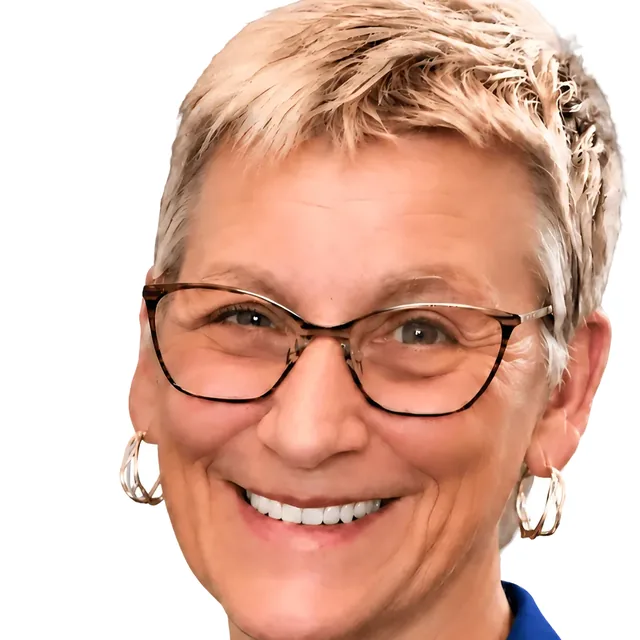
When you are ready, your family can bring the plan to Linda Swanson. Linda is a retired educator and holds the Seniors Real Estate Specialist (SRES) designation, training focused on later life moves, and will go through the real estate side one step at a time with your parent and the family together. There is no pressure to decide anything in that first conversation, only a chance to make the path clearer.
This article is general information about moving, buying and selling homes in Punta Gorda and Charlotte County, Florida. It is not legal, tax, estate, lending, insurance or VA benefits advice and does not predict prices or promise results. Confirm zoning, flood and building questions with Charlotte County, financing with a licensed lender, VA loan and benefit questions with official VA resources, and tax, estate or care questions with a qualified advisor. Linda Swanson, Coldwell Banker Realty.
Written by